Keeping your fire alarm system in good working order isn’t just a box-ticking exercise. No, it’s an essential check to protect your building, the people inside it, and your business as a whole. Regular fire alarm services ensure your system is reliable, compliant, and ready to respond in an emergency.
If you’re unsure how often your fire alarm needs servicing, what’s included, or even more importantly, what the law requires, this guide breaks everything down clearly. So get comfy, grab a cuppa, and let’s dive in.
What Is a Fire Alarm Service?
A fire alarm service is a professional inspection and maintenance check carried out by a qualified engineer. Its purpose is to make sure every part of your system works as it should – from the smoke detectors to the control panel.
A typical fire alarm service includes:
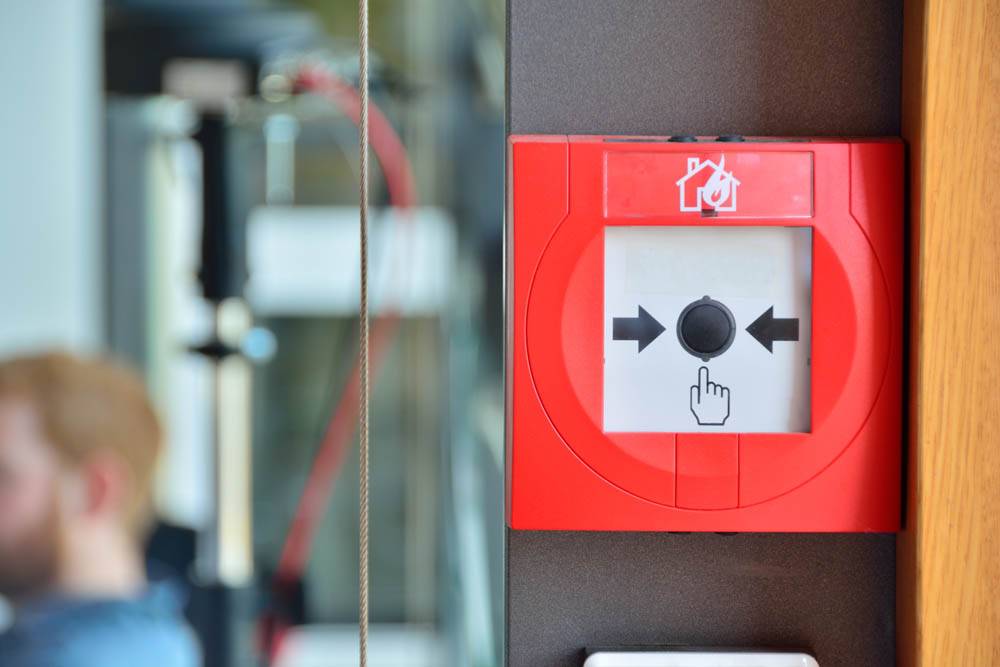
- Testing detectors and call points
- Checking sounders and control panels
- Inspecting wiring and system components
- Cleaning sensors
- Ensuring the system meets British Standards (BS 5839)
- Recording findings in your fire logbook
A serviced system is less likely to fail, reduce false alarms, and ensure your building meets all legal obligations.
How Often Should a Fire Alarm Be Serviced?
In the UK, fire alarm systems must be serviced at least every six months in line with BS 5839 regulations.
However, many businesses choose quarterly servicing for extra peace of mind, especially for larger premises or high-risk environments.
Here’s a quick breakdown:
Weekly – Fire alarm tests (done by you)
Monthly – Battery checks & visual inspections
Every 6 months – Full professional fire alarm service
Annually – Comprehensive system review
If you’ve recently had false alarms, added new equipment, or experienced a fault, you may need a service sooner.

What’s Included in a Professional Fire Alarm Service?
A proper fire alarm service should be thorough and carried out by a trained engineer. Here’s what you can expect during a visit:
1. Call Point Testing
Each manual call point is checked to ensure it triggers the alarm properly.
2. Detector Inspection & Cleaning
Smoke and heat detectors are tested and cleaned to keep them working accurately.
3. Battery & Power Supply Checks
Engineers ensure your backup battery is healthy and your system won’t fail during a power outage.
4. Sounder & Alarm Confirmation
Sirens, bells, and any linked systems (such as sprinklers or monitoring) are tested.
5. Control Panel Review
Fault logs, alerts, and wiring connections are checked for any signs of damage.
6. System Documentation
The engineer will update your fire logbook and provide a service certificate for your records.
This process not only keeps you compliant but also ensures early detection of issues before they become expensive problems.
Signs Your Fire Alarm System Needs Attention
| Sign | What It Means / Why It Matters |
|---|---|
| Frequent false alarms | Sensors may be dirty, faulty, or incorrectly calibrated — often an early warning of bigger issues. |
| Beeping or flashing lights on the control panel | The system is alerting you to a fault, power issue, or low battery. |
| Slow response during tests | Detectors or wiring may be deteriorating and could fail in a real emergency. |
| Fault warnings on the display panel | Indicates a component failure, wiring problem, or communication fault in the system. |
| Damaged detectors or call points | Physical damage can stop the alarm triggering properly when needed. |
| System not activating sounders | A serious fault — means people may not be alerted in a real fire. |
| Water leaks or building works near detectors | Moisture, dust, and debris can interfere with sensors and cause long-term damage. |
| Older system not serviced this year | Age increases failure risk; overdue systems are more likely to malfunction. |
Why Regular Fire Alarm Servicing Protects Your Business
Regular servicing keeps your system compliant with legal and insurance requirements. This reduces the risk of invalid claims. It minimises breakdowns and false alarms, helping your business avoid unnecessary disruption. Servicing also helps to save money in the long run by catching issues early before they become costly repairs. Most importantly, it ensures your fire alarm system reliably protects your staff, customers, and property.
How Much Does a Fire Alarm Service Cost?
Service costs vary depending on your building size, the type of system, the number of devices, and how often the system needs checking. Additional repairs may also affect the final price. Although costs differ, routine servicing is far more cost-effective than emergency call-outs or full system replacements.
For an accurate quotation, simply contact us and we can assess your system.
Book Your Fire Alarm Service Today
So, no matter if you need routine maintenance, a full service, or have an urgent fault, our experienced engineers are here to help. We provide reliable fire alarm services across the region and will ensure your system meets all legal and safety standards.
Call us today to book your fire alarm service or request a free quotation.