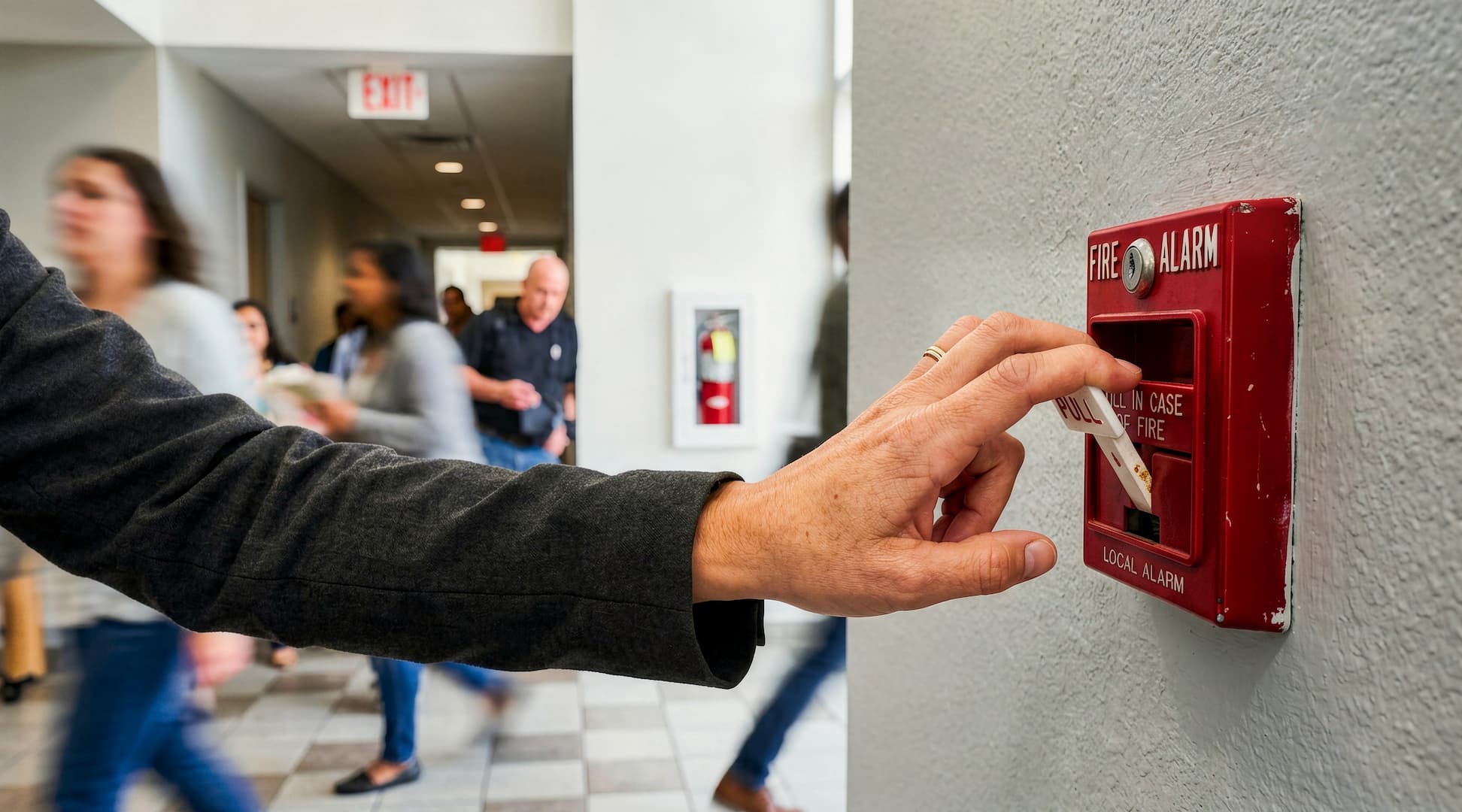
Running a school means juggling countless responsibilities, but nothing matters more than keeping pupils and staff safe. School fire safety often slips down the list between term planning and Ofsted prep. However, a single missed check could put lives, learning and your school’s reputation at serious risk.
Why School Fire Safety Deserves Regular Attention
Schools face unique challenges. For example, corridors are busy, kitchens run daily, science labs store chemicals, and evacuation involves hundreds of children. Additionally, older buildings often have outdated wiring or heavy fire doors that no longer close properly. As a result, head teachers must treat fire safety as an ongoing duty, not a yearly tick-box exercise.
Under the Regulatory Reform (Fire Safety) Order 2005, the “responsible person” (usually the head teacher or business manager) is legally accountable. Consequently, failing an inspection can lead to fines, closure or, in the worst cases, tragedy.
The Fire Risk Assessment: Your Starting Point
Firstly, every school must hold an up-to-date fire risk assessment. Furthermore, it should be reviewed at least annually or whenever the building, layout or activities change.
Key things to check include:
- Ignition sources – kitchens, boiler rooms, IT hubs and science departments
- Fuel loads – wall displays, paperwork, storage cupboards and stage curtains
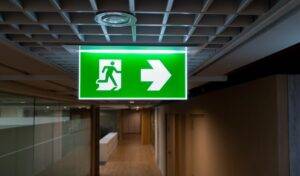
- Escape routes – clear, well-signed and never blocked by furniture or equipment
- Vulnerable pupils – SEND learners who may need a Personal Emergency Evacuation Plan (PEEP)
Ultimately, if you cannot confidently say when your last review took place, that is your first job for the term.
Fire Alarms, Extinguishers & Emergency Lighting
Meanwhile, your physical systems need regular servicing to stay compliant and effective.
- Fire alarms should be tested weekly and serviced every six months
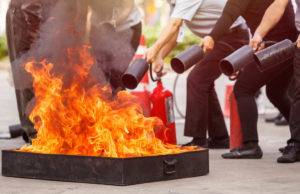
- Fire extinguishers require an annual professional service and monthly visual checks
- Emergency lighting must be tested monthly, with a full three-hour drain test annually
- Fire doors should be inspected every six months for damage, gaps and self-closing faults
In addition, keep a written logbook. Inspectors will always ask to see it, and a well-kept log clearly shows due diligence.
School Fire Safety Training & Evacuation Drills
Equipment alone is not enough. Therefore, everyone on site should know exactly what to do if the alarm sounds.
- Run at least one full fire drill per term, varying the time of day
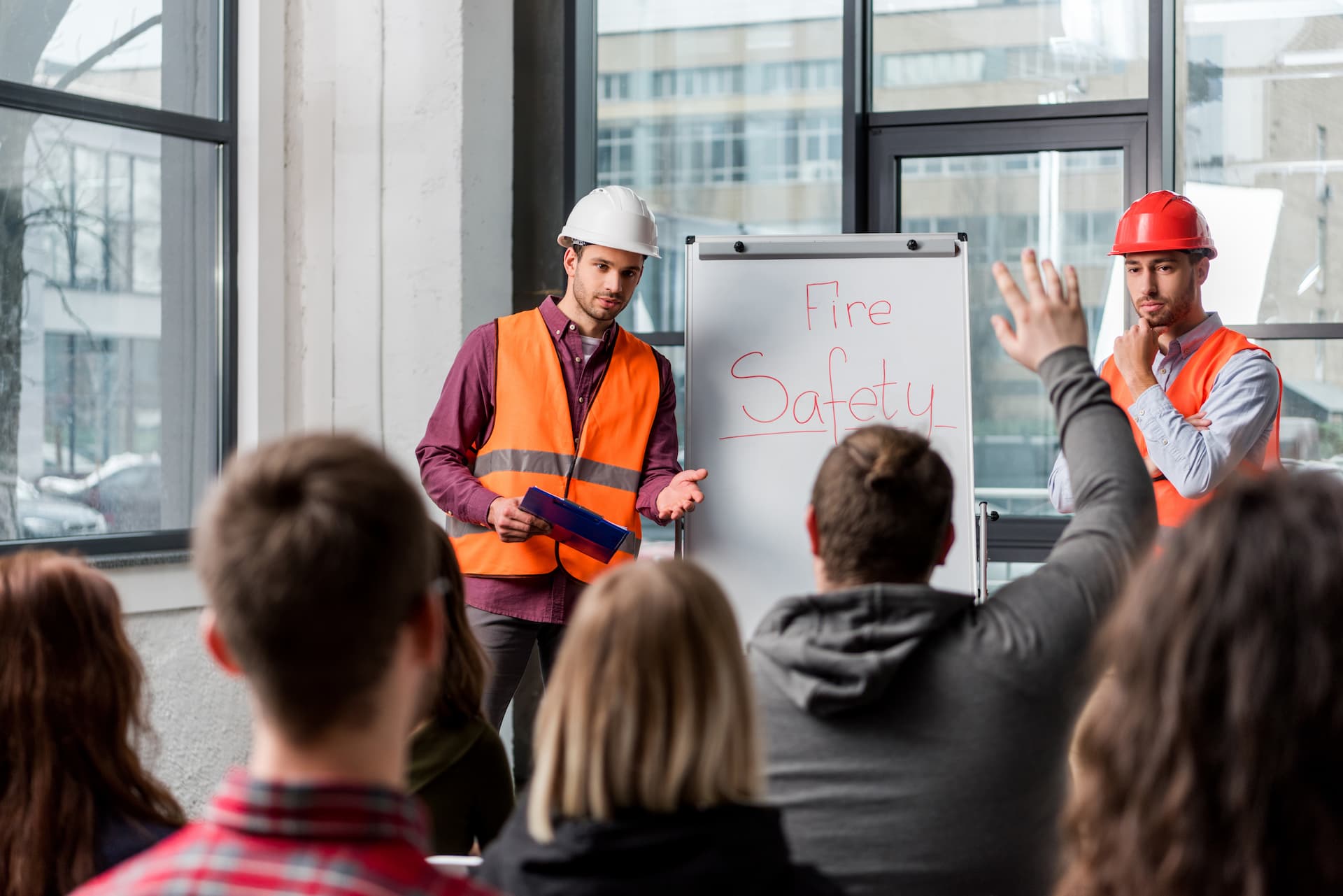
- Train all staff, including supply teachers, on evacuation procedures
- Appoint and train fire wardens for each zone
- Teach pupils calmly, a frightened child is much harder to evacuate
Furthermore, refresher safety training should happen every year. Staff turnover, new builds or classroom changes should all trigger an update.
Common School Fire Safety Mistakes
Even well-run schools slip up. For example, we frequently spot:
- Fire doors wedged open with door stops
- Extinguishers with expired service tags
- Displays covering emergency lighting or signage
- Missing PEEPs for pupils with additional needs
- Alarm panels showing faults nobody has logged
However, these issues are easy to fix once you know what to look for. A regular professional walkaround is advised so these common mistakes can be rectified.
Book Your School Fire Safety Review With City Fire Protection
Since 2003, our Gloucester-based team has helped businesses across the region stay safe, compliant and inspection-ready. Our qualified engineers understand exactly what fire officers and inspectors expect to see.
Contact us today for a no-obligation quote on your fire risk assessment, alarm servicing or staff training. Head into September knowing your school is safe, compliant and ready for the new term.